Diary Book: The Handwritten Typeface That Brings Soul to Your Shop
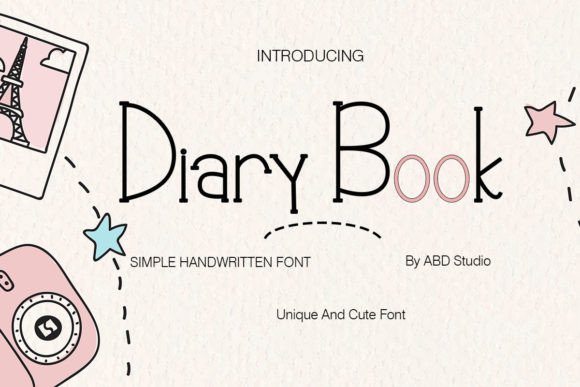
I sat at my desk last Tuesday, staring at a stack of unfinished candle labels. The wax had cooled, the wicks were trimmed, but the packaging felt too sterile. My simple black text looked like it belonged on a factory floor, not in a cozy boutique. I needed something that whispered warmth and told a story before the customer even lit the match. That was when I opened Diary Book, a simple handwritten font that instantly transformed my design from generic to personal.
This isn't just another typeface; it is a creative tool designed to bridge the gap between digital files and tangible handmade goods. Whether you are a crafter making stickers, a seller creating wedding invitations, or a designer building brand identity for printables, this script amp offers the friendly touch your projects have been missing. It feels like a page from a well-loved journal, ready to be filled with your own unique creations.
Bringing Labels and Packaging to Life
When I first applied Diary Book to my candle jar labels, the change was immediate. The slight irregularities in the strokes mimicked the natural movement of a pen on paper, adding an artisanal quality that machine-printed fonts often lack. For product makers, packaging is the first handshake with a customer. Using a display font like this helps establish a sense of care and attention to detail.
The font works beautifully for short phrases, names, and titles on boutique tags. Imagine wrapping a set of soaps with a tag that reads "Handmade with Love" in this style. It elevates the perceived value of the item without looking overly formal. Because the letterforms are distinct yet approachable, they work exceptionally well on physical merchandise like mugs, tote bags, and shirts. When customers hold a product with a label that looks hand-lettered, they connect emotionally with the maker behind the scene.
- Candle Labels: Perfect for listing scent notes or ingredients with a rustic charm.
- Boutique Tags: Adds a soft, welcoming vibe to clothing or accessory hangtags.
- Packaging Design: Ideal for sealing tape or header cards where a personal signature is needed.
Creating Warmth in Stationery and Invitations
Moving beyond product labels, I tested Diary Book on a series of greeting cards and seasonal shop items. The versatility of this handwritten font makes it a staple for stationery designers. It captures the essence of a personal note, which is exactly what people want to feel when receiving a birthday invitation or a holiday card.
For wedding stationery, this typeface brings a romantic, vintage flair to welcome boards and table numbers. It pairs effortlessly with floral illustrations or watercolor backgrounds common in editorial design. However, readability remains key. While Diary Book is fantastic for decorative wording, headings, and accents, it is best used for shorter text blocks rather than long paragraphs of body copy. For longer instructions on planner pages or digital templates, it might be better to pair it with a clean sans serif font to ensure clarity.
I also found success using it for printable wall art. A simple quote framed in a farmhouse-style sign mockup looked significantly more authentic with this font. It adds character to digital downloads, making them stand out in a sea of stock designs. When customers buy a printable, they are buying an aesthetic experience, and the right typography sets the mood immediately.
Optimizing for Cutting Machines and Small Formats
As someone who frequently uses Cricut and Silhouette machines, I know how crucial legibility is when scaling down designs. When I cut small vinyl stickers or die-cut shapes for planners, the details of Diary Book held up surprisingly well. The curves remain open enough to prevent ink bleed on printed cards, ensuring that every loop and tail stays crisp.
However, if you are designing for very small product labels or intricate sticker sheets, always test your file at actual size. Sometimes, fine details can get lost in the cutting process or when printed on textured paper. This is where understanding the specific weights and styles included in your font package becomes vital. If the font family includes alternate characters, ligatures, or swashes, use them to break up repetitive patterns and add visual interest without sacrificing readability.
For digital listings, such as preview images on Etsy or social media graphics, this font acts as a powerful hook. It draws the eye and suggests a high-quality, curated product. Just remember to balance the personality of the script with the functional needs of your audience. If you are selling a complex tutorial, keep the instructional text simple and let Diary Book shine in the title and headers.
Building a Cohesive Brand Identity
A consistent voice is the backbone of any successful handmade business. Diary Book helps unify your shop's look across various platforms. Whether you are designing a logo, creating a banner for your website, or drafting a thank-you note inside a box, maintaining a consistent typeface builds trust and recognition.
Pairing is essential for a professional finish. Since Diary Book has a strong personality, it pairs wonderfully with a simple serif font or a clean sans serif font. For example, using a bold sans serif for subheadings can ground the whimsical nature of the script, creating a balanced layout that is easy to read. This combination is particularly effective for modern typography projects where you want to mix old-world charm with contemporary minimalism.
Before purchasing for commercial use, always check the licensing agreement. Most premium fonts come with clear guidelines for selling physical products, templates, and digital downloads. Understanding whether you need a commercial license for merchandise like shirts or web design ensures you stay compliant while protecting your creative work. Many creators overlook multilingual support, but if you plan to sell internationally, verifying that the font supports the necessary characters is a smart step.
Why This Typeface Matters for Makers
In a market flooded with mass-produced goods, the human element is your greatest asset. Diary Book amplifies that connection. It reminds buyers that real people made their products with intention. From the initial sketch to the final printed piece, the choice of font influences how a customer perceives the quality and effort put into the item.
Whether you are crafting seasonal decorations, designing planner pages, or branding a new line of artisanal goods, having a reliable handwritten font in your toolkit saves time and elevates your output. It allows you to focus on the creativity of your project rather than struggling to find the perfect words to describe it. By integrating Diary Book into your workflow, you are not just printing text; you are curating an experience that feels warm, inviting, and authentically yours.
So, the next time you are preparing a mockup or printing a batch of stickers, give this font a try. Watch how it transforms your design from a simple graphic into a memorable part of your brand story. It is a small change that makes a big difference in the world of handmade commerce.